
The Problem with Avoiding Conflict
For many couples, conflict feels like something to fear. Maybe you were raised in a home where disagreements turned into shouting matches. Or perhaps you’ve seen how unchecked conflict can lead to distance—or even divorce.
So you learn to keep the peace. You stay quiet. You let things go. You tell yourself, “It’s not worth the fight.”
When Small Things Trigger Big Reactions
The dishwasher isn’t loaded the “right” way. A text goes unanswered. A comment meant as a joke suddenly leads to a cold shoulder—or a full-blown argument.
These moments often leave couples wondering, Why did that small thing turn into such a big reaction? You may feel like you’re walking on eggshells—or, on the other side, like no one truly understands why you’re so upset.
How to Deal with Passive Aggression in Your Spouse
Few things are more frustrating than trying to resolve a conflict when the other person refuses to be direct. Maybe it’s the sarcastic comment that stings more than a shout, the silent treatment that lasts for days, or the repeated phrase “I’m fine” that clearly means otherwise.
Passive aggression can leave you feeling stuck—unable to repair the situation, unsure what’s really wrong, and increasingly resentful over time. In marriage, this pattern can quietly erode emotional safety, trust, and communication.
Christian Marriage and the Call to Forgiveness
Forgiveness in marriage can feel both holy and impossible. As Christians, we’re taught that forgiveness is central to our faith—that we are called to extend grace as we have received it. But when the hurt is deep, repeated, or feels unresolved, forgiveness can feel less like a calling and more like a burden.
The Real Reason Couples Fight: Uncovering the Root of Marriage Conflict
The root of conflict in marriage often lies in our attachment wounds and the unconscious patterns we bring into the relationship. When both partners are willing to explore these underlying dynamics, they can work together to break the cycle of conflict and build a stronger, more connected relationship. Whether you have an anxious, avoidant, or disorganized attachment style, understanding the role of attachment can be the key to unlocking deeper emotional intimacy and resolving the root causes of marital conflicts.
The Hidden Dangers of 'The Cycle': How Tiny Disagreements Can Spiral Into Massive Fights in Relationships
Every married couple has had their share of tiny disagreements—whether it’s about where to eat, how to load the dishwasher, or whose turn it is to take out the trash. These minor conflicts might seem insignificant on the surface, but for many couples, they can unexpectedly escalate into full-blown arguments that leave both partners feeling hurt, disconnected, and misunderstood.
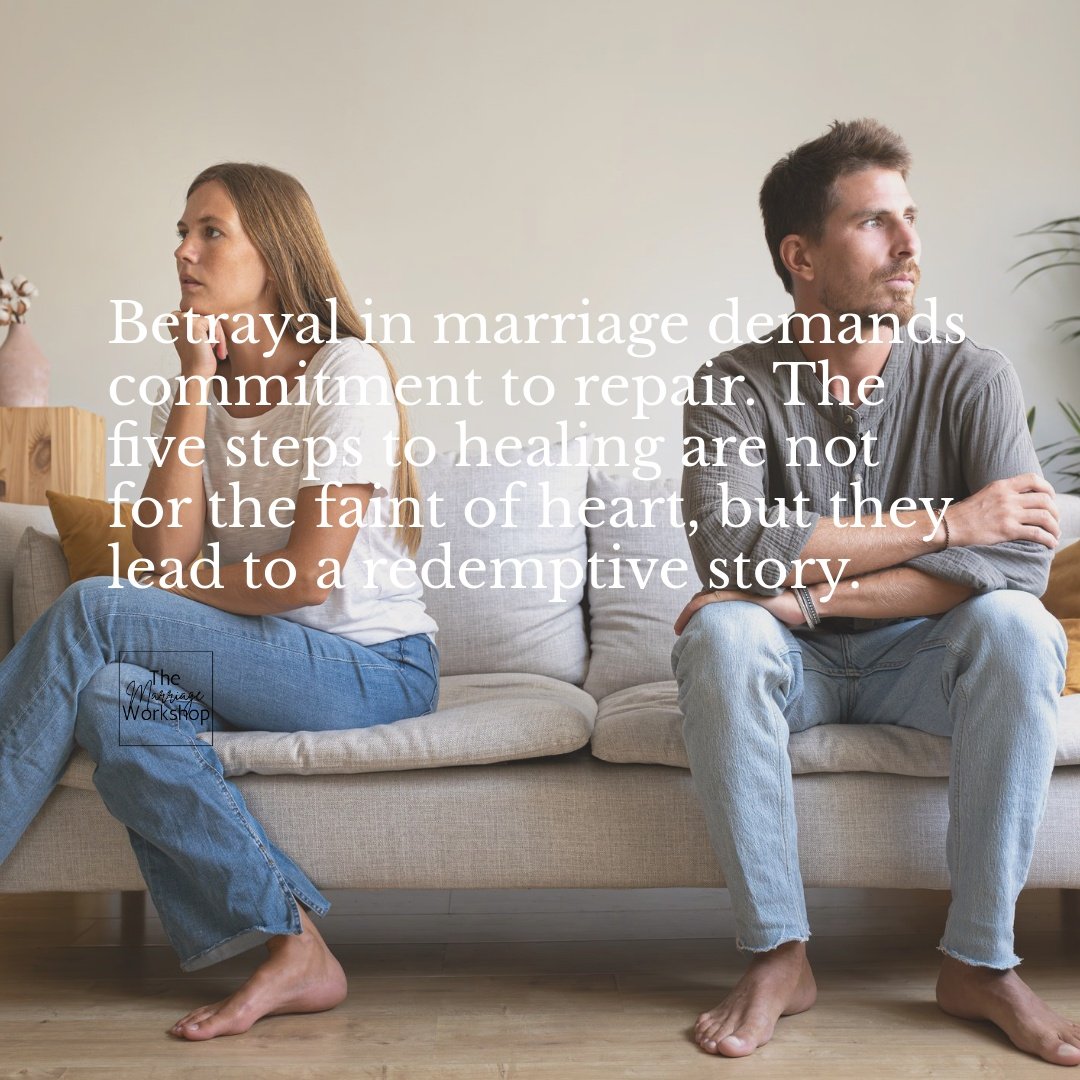
Betrayal in Marriage
Betrayal in a marriage is an event that cannot just be swept under the rug. The threat to security in the relationship is too intrusive. Marriage is the most vulnerable earthly relationship, and for it to be satisfying it must be secure. As in both people feel that they can trust their spouse, their spouse cares for them and has the best intentions for the other, and each spouse is committed to prioritizing the relationship. Perfection in these things is never possible, but it is the commitment to protecting the relationship and the commitment to repair that protects the security in spite of this.
Is a Marriage Separation the Beginning of the End of a Marriage?
Let’s talk for real about marriage separations. Some people believe that if a couple separates divorce is soon to follow. The Marriage Workshop would like to give a new perspective on separations and point out some ways they are beneficial for high-conflict and distressed marriages. The Marriage Workshop hopes after reading this a marriage separation can be seen as a new beginning rather than the “beginning of the end,” for a marriage.
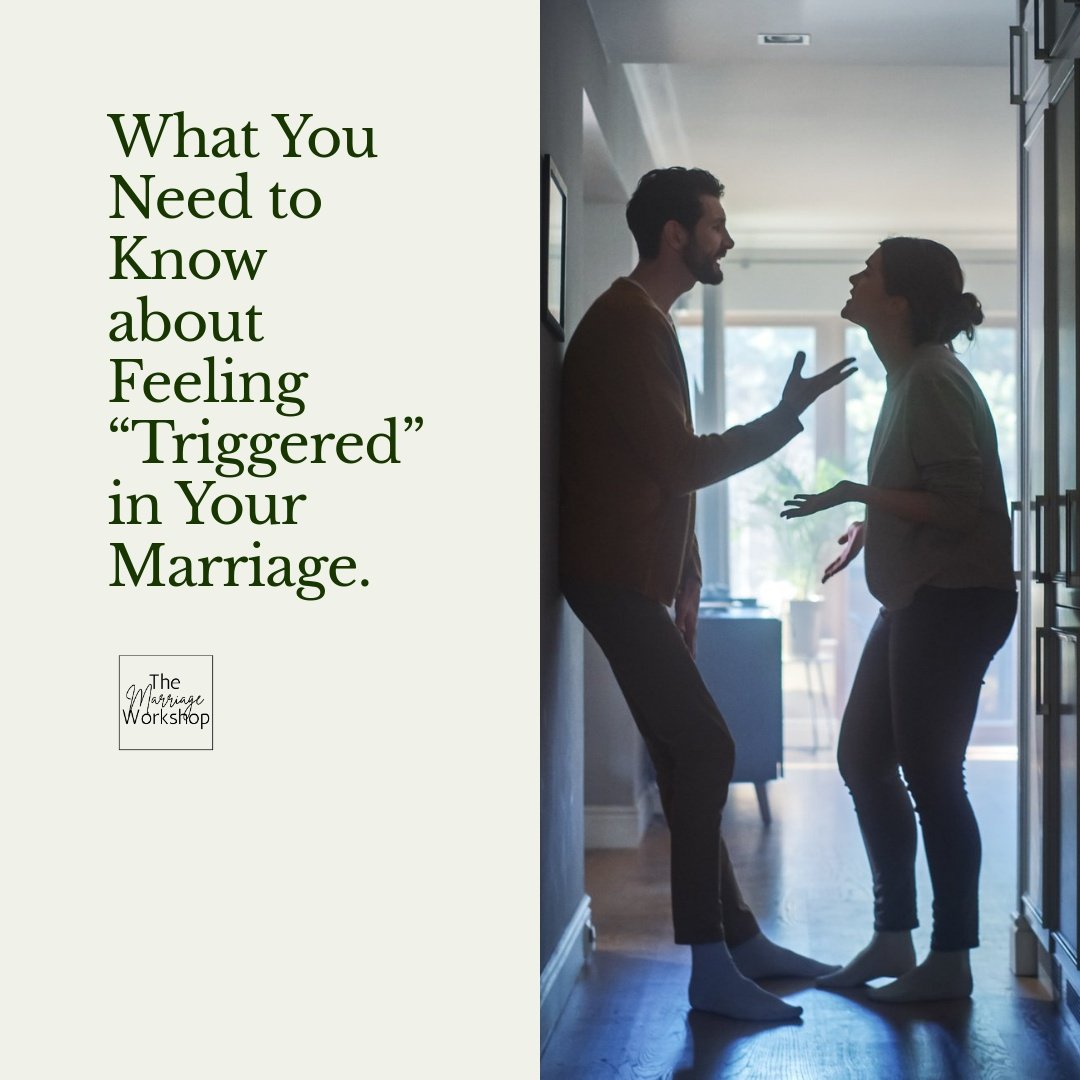
How do Triggers Show up and Impact Conflict in a Marriage?
Do you ever have conflict in your marriage that comes out of nowhere and when you think about it you can’t even figure out how it really started? Or wonder how the interaction went “south” so fast?
I might have some helpful relational insights that will help you figure out what happened! In most interactions that this happen a couple is usually experiencing some kind of. “trigger.” Let’s talk more about what that means and how it impacts your marriage.
When You Grow, Your Marriage Grows.
Part of healing a marriage in distress is self-work. By shifting your focus inward rather than at your spouse a couple will instantly notice some descalation. A focus on your spouse is actually a focus on your pain, only this tactic of dealing with the pain typically causes more pain. Here’s why, you don’t know why it hurts, you just know it hurts. Your brain is telling you that if you want to survive the person doing the hurting needs to be stopped. To make it even worse the person doing the hurting is your spouse and is coded in your brain as someone who is supposed to be safe. It’s a recipe for panic.
Help Your Marriage with Self-work
Marriage work is self-work, it has to be, there is no way out of it. All relationships require self-work but none so much as marriage. You should be paying attention to what is happening between you and your spouse, but you should also be looking within. Looking within, just like looking “between,” begins with noticing. The best time to do this noticing may be during or after a conflict, usually during a conflict a softer more vulnerable part of self has been poked at and out of protection of this part of you, a “bear” can arise. Noticing involves slowing down the chain of events within us, similar to the way you slow things down in the cycle between you. What are you looking for when you slow things down?? Three very important things, let’s look at them.